

Energy efficiency is a crucial factor in the performance of heat exchangers, and titanium spiral plate heat exchangers are no exception. As a leading supplier of Titanium Spiral Plate Heat Exchangers, I am often asked about the energy efficiency of these remarkable devices. In this blog post, I will delve into the concept of energy efficiency in titanium spiral plate heat exchangers, exploring the factors that influence it and the benefits it offers.
Understanding Energy Efficiency in Heat Exchangers
Energy efficiency in a heat exchanger refers to its ability to transfer heat from one fluid to another with minimal energy loss. In an ideal scenario, all the heat from the hot fluid would be transferred to the cold fluid, resulting in 100% energy efficiency. However, in real-world applications, various factors such as heat losses to the surroundings, pressure drops, and fouling can reduce the overall efficiency of the heat exchanger.
The energy efficiency of a heat exchanger is typically measured by its effectiveness, which is defined as the ratio of the actual heat transfer rate to the maximum possible heat transfer rate. A higher effectiveness indicates a more efficient heat exchanger, as it is able to transfer a greater proportion of the available heat.
Factors Affecting the Energy Efficiency of Titanium Spiral Plate Heat Exchangers
Several factors can influence the energy efficiency of titanium spiral plate heat exchangers. Understanding these factors is essential for optimizing the performance of these heat exchangers and achieving maximum energy savings.
1. Material Properties
Titanium is a highly corrosion-resistant material with excellent thermal conductivity. These properties make it an ideal choice for heat exchanger applications, as it allows for efficient heat transfer while minimizing the risk of corrosion and fouling. The high thermal conductivity of titanium enables the heat exchanger to transfer heat more effectively, resulting in higher energy efficiency.
2. Design and Geometry
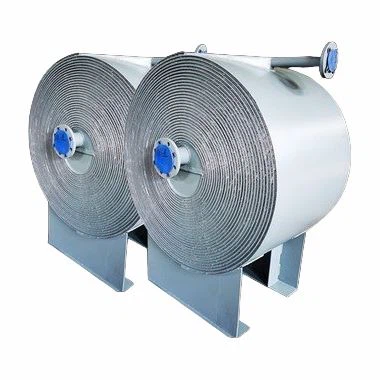
The design and geometry of the spiral plate heat exchanger play a crucial role in its energy efficiency. The spiral configuration of the plates creates a counterflow pattern, which allows for a more efficient heat transfer compared to other types of heat exchangers. In a counterflow heat exchanger, the hot and cold fluids flow in opposite directions, maximizing the temperature difference between the two fluids and enhancing the heat transfer rate.
The spacing between the spiral plates also affects the energy efficiency of the heat exchanger. A smaller plate spacing increases the surface area available for heat transfer, resulting in a higher heat transfer rate. However, a smaller plate spacing also increases the pressure drop across the heat exchanger, which can reduce the overall efficiency. Therefore, it is important to optimize the plate spacing to achieve a balance between heat transfer efficiency and pressure drop.
3. Fluid Properties
The properties of the fluids being heated or cooled, such as their viscosity, density, and specific heat capacity, can also influence the energy efficiency of the heat exchanger. Fluids with higher viscosities and densities require more energy to pump through the heat exchanger, resulting in higher pressure drops and lower energy efficiency. On the other hand, fluids with higher specific heat capacities can absorb more heat per unit mass, allowing for more efficient heat transfer.
4. Operating Conditions
The operating conditions of the heat exchanger, such as the inlet and outlet temperatures of the fluids, the flow rates, and the pressure, can also have a significant impact on its energy efficiency. Operating the heat exchanger at the optimal conditions, such as maintaining the correct flow rates and temperature differentials, can help to maximize the heat transfer rate and minimize energy losses.
Benefits of High Energy Efficiency in Titanium Spiral Plate Heat Exchangers
Investing in high-energy efficiency titanium spiral plate heat exchangers offers several benefits for industrial applications.
1. Energy Savings
One of the primary benefits of high energy efficiency is reduced energy consumption. By transferring heat more effectively, the heat exchanger requires less energy to achieve the desired temperature change, resulting in lower energy bills and reduced operating costs.

2. Environmental Sustainability
High energy efficiency also contributes to environmental sustainability by reducing greenhouse gas emissions. By consuming less energy, the heat exchanger helps to conserve natural resources and minimize the environmental impact of industrial processes.
3. Improved Process Performance
Efficient heat transfer in the heat exchanger can improve the overall performance of the industrial process. By maintaining the correct temperature and flow rates, the heat exchanger ensures that the process operates smoothly and efficiently, resulting in higher product quality and increased productivity.
4. Longer Equipment Lifespan
The use of high-quality titanium materials and efficient design in the heat exchanger can also extend its lifespan. By minimizing the risk of corrosion and fouling, the heat exchanger can operate reliably for longer periods of time, reducing the need for frequent maintenance and replacement.
Types of Titanium Spiral Plate Heat Exchangers
As a supplier of Titanium Spiral Plate Heat Exchangers, we offer a range of products to meet the diverse needs of our customers. Some of the common types of titanium spiral plate heat exchangers include:
- Through Flow Spiral Plate Heat Exchanger: This type of heat exchanger is designed for applications where a high flow rate and efficient heat transfer are required. The through flow design allows for a continuous flow of fluids through the heat exchanger, resulting in a high heat transfer rate.
- Bubble Spiral Plate Heat Exchanger: The bubble spiral plate heat exchanger is suitable for applications where the fluids contain gases or vapors. The unique design of the heat exchanger allows for the efficient separation of gases and vapors, resulting in improved heat transfer efficiency.
- Carbon Steel Spiral Plate Heat Exchanger: While titanium is a popular choice for heat exchanger applications, carbon steel is also a cost-effective alternative. Our carbon steel spiral plate heat exchangers offer excellent heat transfer performance and are suitable for a wide range of industrial applications.
Contact Us for Your Titanium Spiral Plate Heat Exchanger Needs
If you are looking for a high-energy efficiency titanium spiral plate heat exchanger for your industrial application, look no further. As a leading supplier of Titanium Spiral Plate Heat Exchangers, we have the expertise and experience to provide you with the best solution for your needs. Our team of engineers can work with you to design and customize a heat exchanger that meets your specific requirements, ensuring optimal performance and energy savings.
Contact us today to learn more about our products and services, and to discuss your heat exchanger needs with our experts. We look forward to helping you achieve greater energy efficiency and cost savings in your industrial processes.
References
- Incropera, F. P., & DeWitt, D. P. (2002). Fundamentals of Heat and Mass Transfer. Wiley.
- Kakac, S., & Liu, H. (2002). Heat Exchangers: Selection, Rating, and Thermal Design. CRC Press.
- Shah, R. K., & Sekulic, D. P. (2003). Fundamentals of Heat Exchanger Design. Wiley.