

Hey there! As a supplier of Through Flow Spiral Plate Heat Exchangers, I've seen firsthand how crucial it is to control the temperature effectively in these nifty devices. In this blog, I'll share some tips and tricks on how to do just that.
Understanding the Basics of Through Flow Spiral Plate Heat Exchangers
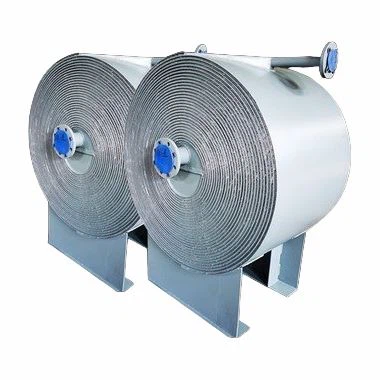
Before we dive into temperature control, let's quickly go over what a Through Flow Spiral Plate Heat Exchanger is. It's a type of heat exchanger where two fluids flow in a spiral path between two concentric plates. This design allows for efficient heat transfer between the two fluids, making it a popular choice in many industrial applications.
The key to efficient heat transfer in a Through Flow Spiral Plate Heat Exchanger lies in the design of the spiral plates. The plates are usually made of materials like 316L Stainless Steel Spiral Plate Heat Exchanger, Carbon Steel Spiral Plate Heat Exchanger, or Bubble Spiral Plate Heat Exchanger, each with its own unique properties and advantages.
Factors Affecting Temperature Control
There are several factors that can affect the temperature control in a Through Flow Spiral Plate Heat Exchanger. Let's take a look at some of the most important ones:
Flow Rate
The flow rate of the fluids through the heat exchanger plays a significant role in temperature control. If the flow rate is too high, the fluids may not have enough time to transfer heat effectively, resulting in a lower heat transfer efficiency. On the other hand, if the flow rate is too low, the fluids may overheat, which can damage the heat exchanger.
To optimize the flow rate, you need to consider the specific requirements of your application. You can use flow meters to monitor the flow rate and adjust it as needed. Additionally, make sure that the pumps used to circulate the fluids are properly sized and maintained.
Fluid Properties
The properties of the fluids being used in the heat exchanger, such as their specific heat capacity, density, and viscosity, can also affect temperature control. Fluids with higher specific heat capacities can absorb more heat, while fluids with lower viscosities flow more easily through the heat exchanger.
It's important to choose the right fluids for your application and ensure that their properties are within the recommended range. You may also need to adjust the operating conditions of the heat exchanger based on the fluid properties.
Heat Transfer Surface Area
The heat transfer surface area of the spiral plates is another important factor. A larger surface area allows for more efficient heat transfer between the two fluids. When designing or selecting a Through Flow Spiral Plate Heat Exchanger, make sure to consider the required heat transfer surface area based on your application's heat transfer requirements.
Fouling
Fouling is the accumulation of unwanted materials on the heat transfer surfaces of the heat exchanger. This can reduce the heat transfer efficiency and make it more difficult to control the temperature. Common causes of fouling include the presence of impurities in the fluids, chemical reactions, and biological growth.
To prevent fouling, you can implement regular cleaning and maintenance procedures. This may include using chemical cleaners, mechanical cleaning methods, or a combination of both. Additionally, make sure to filter the fluids before they enter the heat exchanger to remove any large particles.
Temperature Control Strategies
Now that we've covered the factors affecting temperature control, let's look at some strategies you can use to control the temperature in a Through Flow Spiral Plate Heat Exchanger:
Use of Thermostats and Temperature Sensors
Installing thermostats and temperature sensors in the heat exchanger allows you to monitor the temperature of the fluids in real-time. You can set the desired temperature range and the thermostat will automatically adjust the flow rate or other operating parameters to maintain the temperature within that range.
Make sure to place the temperature sensors in strategic locations to get an accurate reading of the fluid temperatures. You may also need to calibrate the sensors regularly to ensure their accuracy.
Flow Rate Adjustment
As mentioned earlier, adjusting the flow rate of the fluids can help control the temperature. If the temperature of the hot fluid is too high, you can increase the flow rate of the cold fluid to remove more heat. Conversely, if the temperature of the cold fluid is too low, you can decrease the flow rate of the cold fluid or increase the flow rate of the hot fluid.
However, be careful not to make sudden or large adjustments to the flow rate, as this can cause instability in the heat exchanger and affect the heat transfer efficiency.
Preheating or Cooling the Fluids
In some cases, it may be necessary to preheat or cool the fluids before they enter the heat exchanger. This can help reduce the load on the heat exchanger and make it easier to control the temperature. For example, if the hot fluid is at a very high temperature, you can use a pre - cooler to bring its temperature down to a more manageable level.
Maintenance and Monitoring
Regular maintenance and monitoring are essential for effective temperature control. This includes checking for leaks, cleaning the heat exchanger, and inspecting the components for wear and tear. By keeping the heat exchanger in good condition, you can ensure that it operates efficiently and maintains the desired temperature.
Troubleshooting Temperature Control Issues
Even with the best temperature control strategies in place, you may still encounter some issues. Here are some common problems and how to troubleshoot them:

Inconsistent Temperature
If you notice that the temperature of the fluids is inconsistent, it could be due to a variety of reasons. Check for blockages in the flow paths, as this can disrupt the fluid flow and cause uneven heat transfer. Also, make sure that the temperature sensors are working properly and are accurately placed.
Overheating
Overheating can occur if the heat transfer efficiency is low or if the flow rate is too low. Check for fouling on the heat transfer surfaces and clean the heat exchanger if necessary. You may also need to increase the flow rate of the cooling fluid to remove more heat.
Low Heat Transfer Efficiency
If the heat transfer efficiency is low, it could be due to a number of factors, such as fouling, improper fluid properties, or a damaged heat exchanger. Inspect the heat exchanger for any signs of damage and clean the surfaces. You may also need to adjust the fluid properties or the operating conditions.
Conclusion
Controlling the temperature in a Through Flow Spiral Plate Heat Exchanger is crucial for its efficient operation and the success of your industrial processes. By understanding the factors that affect temperature control, implementing the right strategies, and troubleshooting any issues that arise, you can ensure that your heat exchanger performs at its best.
If you're in the market for a Through Flow Spiral Plate Heat Exchanger or need help with temperature control in your existing heat exchanger, don't hesitate to reach out. We're here to assist you with all your heat exchanger needs and can work with you to find the best solutions for your specific application.
References
- Incropera, F. P., & DeWitt, D. P. (2002). Fundamentals of Heat and Mass Transfer. Wiley.
- Bergman, T. L., Lavine, A. S., Incropera, F. P., & DeWitt, D. P. (2011). Introduction to Heat Transfer. Wiley.