

Hey there! As a supplier of spiral plate heat exchangers, I've seen my fair share of used units come through our doors. Recycling these heat exchangers isn't just good for the environment; it's also a smart move for businesses looking to cut costs and make the most of their resources. In this blog post, I'll walk you through the steps on how to recycle a used spiral plate heat exchanger.
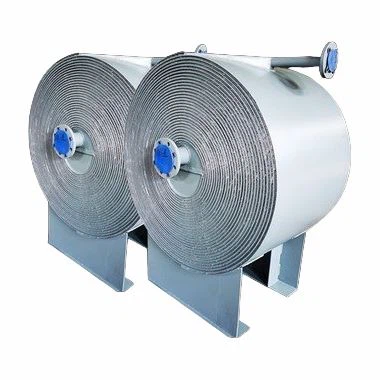

Step 1: Inspection and Assessment
The first thing you need to do when you get a used spiral plate heat exchanger is to give it a thorough inspection. Check for any signs of damage, corrosion, or wear and tear. Look at the plates, gaskets, and the overall structure of the heat exchanger. This will help you determine if the unit can be recycled and what kind of recycling process it needs.
If the heat exchanger has minor damage, like a few dents or scratches on the outer casing, it might still be in good enough condition to be refurbished and reused. On the other hand, if there's significant corrosion on the plates or the gaskets are completely worn out, it might need more extensive recycling.
Step 2: Cleaning and Dismantling
Once you've assessed the heat exchanger, it's time to clean it up. Start by draining any remaining fluids from the unit. This is important not only for safety reasons but also to prevent any contamination during the recycling process.
After draining, use appropriate cleaning agents to remove any dirt, debris, or scale from the plates and other components. You can use a pressure washer or a chemical cleaning solution, depending on the level of dirt and the type of materials used in the heat exchanger.
Once the heat exchanger is clean, it's time to dismantle it. This involves removing the plates, gaskets, and any other removable parts. Be careful when doing this to avoid causing any further damage. Keep track of all the parts and label them if necessary.
Step 3: Material Separation
After dismantling the heat exchanger, you'll have a bunch of different materials that need to be separated. The main materials you'll find in a spiral plate heat exchanger are metals, such as carbon steel, stainless steel, and sometimes even more exotic materials like Hastelloy.
To separate the materials, you can use a variety of methods. For example, you can use a magnet to separate ferrous metals (like carbon steel) from non - ferrous metals (like stainless steel and Hastelloy). You can also use chemical processes to separate different types of metals based on their properties.
Here are some of the common types of spiral plate heat exchangers and their materials:
- Carbon Steel Spiral Plate Heat Exchanger: Carbon steel is a popular choice for heat exchangers because it's strong and relatively inexpensive.
- Hastelloy Spiral Plate Heat Exchanger: Hastelloy is a high - performance alloy that's resistant to corrosion in harsh environments.
- 316L Stainless Steel Spiral Plate Heat Exchanger: 316L stainless steel is known for its excellent corrosion resistance and is often used in applications where hygiene is important.
Step 4: Recycling the Materials
Once you've separated the materials, it's time to send them off for recycling. Different materials have different recycling processes.
- Metals: Metals can be melted down and reused to make new products. For example, recycled carbon steel can be used to make new heat exchangers or other metal products. Stainless steel and Hastelloy can also be recycled and used in high - end applications.
- Gaskets: Gaskets are usually made of rubber or other elastomeric materials. These materials can be recycled through processes like grinding and re - compounding to make new gaskets or other rubber products.
Step 5: Refurbishment or Repurposing
In some cases, instead of completely recycling the heat exchanger, you might be able to refurbish it and reuse it. If the damage is minor and the plates and other components are still in good condition, you can replace the gaskets, repair any small damages, and give the heat exchanger a new lease on life.
You can also repurpose the heat exchanger for other applications. For example, you might be able to use it in a different industrial process where the heat transfer requirements are similar.
Why Recycling is Important
Recycling a used spiral plate heat exchanger has several benefits. First of all, it's good for the environment. By recycling the materials, we reduce the need for mining and processing new raw materials, which helps conserve natural resources and reduce energy consumption.
Secondly, it can save you money. Recycling is often cheaper than buying a brand - new heat exchanger, especially if you can refurbish the unit and reuse it. And if you're a business, it can also improve your sustainability credentials, which is becoming increasingly important in today's market.
Contact Us for More Information
If you're interested in learning more about recycling spiral plate heat exchangers or if you're looking to purchase a new or refurbished heat exchanger, don't hesitate to get in touch. We're here to help you make the most of your heat exchange needs. Whether you need a Carbon Steel Spiral Plate Heat Exchanger, a Hastelloy Spiral Plate Heat Exchanger, or a 316L Stainless Steel Spiral Plate Heat Exchanger, we've got you covered.
References
- "Handbook of Heat Exchanger Design"
- "Industrial Heat Exchangers: Selection, Design, and Construction"