

Transporting a spiral plate heat exchanger safely is a critical process that requires careful planning and execution. As a leading supplier of spiral plate heat exchangers, we understand the importance of ensuring that these valuable pieces of equipment reach their destination in pristine condition. In this blog post, we will share some essential tips and best practices for transporting a spiral plate heat exchanger safely.
Understanding the Spiral Plate Heat Exchanger
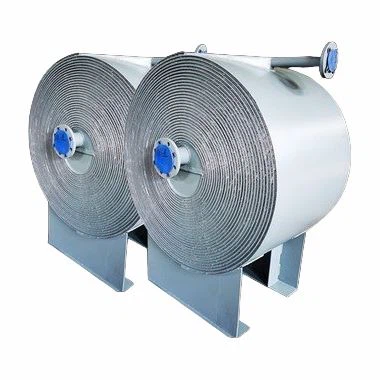
Before we delve into the transportation process, it's important to have a basic understanding of what a spiral plate heat exchanger is. A spiral plate heat exchanger consists of two long metal plates that are coiled around a central core, creating two separate channels for the hot and cold fluids. This design allows for efficient heat transfer between the two fluids.
We offer a range of spiral plate heat exchangers, including the Through Flow Spiral Plate Heat Exchanger, the 304 Stainless Steel Spiral Plate Heat Exchanger, and the Carbon Steel Spiral Plate Heat Exchanger. Each type has its own unique features and benefits, and the choice depends on the specific application and requirements.
Pre - Transportation Preparations
Inspection
Before transporting the heat exchanger, a thorough inspection is necessary. Check for any signs of damage, such as dents, scratches, or leaks. Make sure all connections are tight and that the heat exchanger is in proper working condition. Any issues should be addressed before transportation to avoid further damage during the journey.
Cleaning
Clean the heat exchanger to remove any debris, dirt, or contaminants. This not only helps in preventing corrosion but also makes it easier to handle and inspect the equipment during transportation. Use appropriate cleaning agents and follow the manufacturer's guidelines for cleaning.

Disassembly (if necessary)
In some cases, it may be necessary to disassemble the heat exchanger into smaller parts for easier transportation. If this is the case, make sure to label all the parts clearly and keep them organized. This will make the reassembly process much smoother at the destination.
Packaging
Choosing the Right Packaging Materials
Selecting the appropriate packaging materials is crucial for protecting the heat exchanger during transportation. Use sturdy wooden crates or pallets that can withstand the weight and dimensions of the heat exchanger. Padding materials such as foam, rubber, or bubble wrap should be used to cushion the heat exchanger and prevent it from moving inside the crate.
Securing the Heat Exchanger
Once the heat exchanger is placed in the crate, it should be securely fastened. Use straps, ropes, or brackets to hold the heat exchanger in place and prevent it from shifting during transit. Make sure all the fasteners are tightened properly.
Transportation Mode Selection
Road Transportation
Road transportation is a common choice for transporting spiral plate heat exchangers, especially for shorter distances. When using road transport, choose a reliable carrier with experience in transporting heavy and fragile equipment. Ensure that the truck is equipped with proper suspension and shock - absorbing features to minimize vibrations.
Rail Transportation
For longer distances, rail transportation can be a cost - effective option. However, it's important to ensure that the heat exchanger is properly secured on the railcar to prevent damage from the movement and jolts of the train.
Sea Transportation
If the heat exchanger needs to be transported overseas, sea transportation is often the preferred option. The heat exchanger should be placed in a shipping container and secured properly to prevent it from moving during the voyage. Consider using additional protective measures such as moisture - resistant covers to prevent rust and corrosion.
Handling During Transportation
Loading and Unloading
During loading and unloading, use appropriate lifting equipment such as cranes or forklifts. Make sure the operators are trained and experienced in handling heavy equipment. When lifting the heat exchanger, ensure that the lifting points are properly identified and that the load is evenly distributed.
Monitoring
During transportation, it's important to monitor the condition of the heat exchanger. Use sensors or tracking devices to monitor factors such as temperature, humidity, and vibrations. This can help detect any potential issues early and take appropriate measures to prevent damage.
Insurance
It's highly recommended to purchase insurance for the heat exchanger during transportation. This provides financial protection in case of any damage or loss during transit. Make sure to read the insurance policy carefully and understand the coverage and exclusions.
Reassembly and Testing
Once the heat exchanger reaches its destination, it should be reassembled if it was disassembled during transportation. Follow the manufacturer's instructions for reassembly. After reassembly, conduct a thorough testing to ensure that the heat exchanger is working properly. Check for any leaks, abnormal noises, or other issues.
Contact for Purchase and Consultation
If you are interested in purchasing a spiral plate heat exchanger or have any questions about transportation or other aspects, we are here to help. Our team of experts can provide you with detailed information and guidance. Whether you need a Through Flow Spiral Plate Heat Exchanger, a 304 Stainless Steel Spiral Plate Heat Exchanger, or a Carbon Steel Spiral Plate Heat Exchanger, we have the right solution for you. Contact us today to start the purchasing process and ensure a smooth and safe transportation of your heat exchanger.
References
- ASME Boiler and Pressure Vessel Code
- ISO standards for heat exchanger design and transportation
- Manufacturer's guidelines for spiral plate heat exchanger handling and transportation