

Retrofitting to a detachable spiral plate heat exchanger is a significant decision that many industries face when looking to optimize their heat transfer processes. As a supplier of Detachable Spiral Plate Heat Exchangers, I have witnessed firsthand the various costs and benefits associated with this type of retrofit. In this blog, I will delve into the details of these costs and benefits to help you make an informed decision for your business.
Benefits of Retrofitting to a Detachable Spiral Plate Heat Exchanger
1. High Heat Transfer Efficiency
One of the most significant advantages of a detachable spiral plate heat exchanger is its high heat transfer efficiency. The unique spiral design allows for a large surface area for heat exchange within a compact space. This means that more heat can be transferred between the two fluids in a shorter period, resulting in lower energy consumption and higher productivity. For example, in a chemical processing plant, a detachable spiral plate heat exchanger can quickly cool down hot reaction products, reducing the overall processing time and saving energy costs. The Through Flow Spiral Plate Heat Exchanger is a prime example of a product that offers excellent heat transfer efficiency due to its innovative design.
2. Easy Maintenance and Cleaning
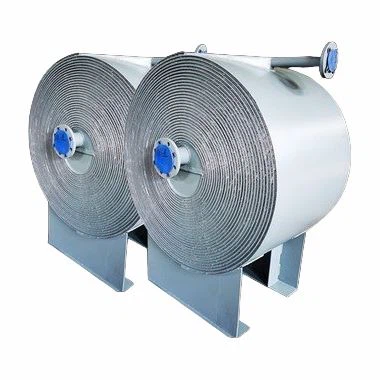
Unlike traditional heat exchangers, detachable spiral plate heat exchangers are designed for easy maintenance and cleaning. The plates can be easily removed and inspected, allowing for quick identification and repair of any issues. This reduces downtime and maintenance costs in the long run. In industries where fouling is a common problem, such as the food and beverage industry, the ability to clean the heat exchanger thoroughly is crucial. A detachable spiral plate heat exchanger can be disassembled and cleaned regularly to ensure optimal performance and prevent the buildup of contaminants. The Detachable Spiral Plate Heat Exchanger is specifically designed with this in mind, making it a popular choice for industries with high maintenance requirements.
3. Versatility
Detachable spiral plate heat exchangers are highly versatile and can be used in a wide range of applications. They can handle various types of fluids, including corrosive and viscous substances. This makes them suitable for industries such as chemical, pharmaceutical, food and beverage, and power generation. For instance, in the pharmaceutical industry, these heat exchangers can be used to heat or cool sensitive pharmaceutical compounds without causing any contamination. The Carbon Steel Spiral Plate Heat Exchanger is a durable option that can withstand harsh environments and is commonly used in industries where corrosion resistance is essential.
4. Space Saving
Another benefit of detachable spiral plate heat exchangers is their compact design. They require less floor space compared to other types of heat exchangers, making them ideal for facilities with limited space. This can be a significant advantage for industries that are looking to expand their operations or upgrade their existing equipment without having to invest in additional floor space. For example, in a manufacturing plant, a detachable spiral plate heat exchanger can be installed in a smaller area, freeing up space for other equipment or processes.

Costs of Retrofitting to a Detachable Spiral Plate Heat Exchanger
1. Initial Investment
The initial cost of purchasing and installing a detachable spiral plate heat exchanger can be relatively high compared to traditional heat exchangers. This includes the cost of the heat exchanger itself, as well as the cost of installation, which may require modifications to the existing piping and infrastructure. However, it is important to consider the long-term benefits and cost savings associated with this type of retrofit. Over time, the energy savings and reduced maintenance costs can offset the initial investment.
2. Training and Expertise
Retrofitting to a detachable spiral plate heat exchanger may require specialized training for the maintenance and operation staff. They need to understand the unique design and operating principles of the heat exchanger to ensure its proper functioning. This training can add to the overall cost of the retrofit. Additionally, finding qualified technicians with experience in working with detachable spiral plate heat exchangers can be challenging in some areas.
3. Compatibility Issues
When retrofitting to a detachable spiral plate heat exchanger, there may be compatibility issues with the existing system. The heat exchanger needs to be properly sized and integrated with the existing piping, pumps, and other equipment. In some cases, modifications may be required to ensure a seamless fit, which can increase the cost and complexity of the retrofit.
Considerations for a Successful Retrofitting
Before deciding to retrofit to a detachable spiral plate heat exchanger, it is important to conduct a thorough cost-benefit analysis. Consider the specific requirements of your industry, the nature of the fluids being processed, and the existing infrastructure. Here are some key considerations:
- Energy Savings: Calculate the potential energy savings based on the heat transfer efficiency of the detachable spiral plate heat exchanger. Compare this with the initial investment and operating costs to determine the payback period.
- Maintenance Requirements: Evaluate the maintenance requirements of the heat exchanger and assess whether your staff has the necessary skills and resources to handle it. Consider the availability of spare parts and the cost of maintenance over the long term.
- System Compatibility: Ensure that the detachable spiral plate heat exchanger is compatible with the existing system. Work with a qualified engineer to assess the feasibility of the retrofit and to make any necessary modifications.
- Industry Regulations: Familiarize yourself with the industry regulations and standards that apply to your heat transfer process. Make sure that the detachable spiral plate heat exchanger meets all the relevant requirements.
Conclusion
Retrofitting to a detachable spiral plate heat exchanger offers several significant benefits, including high heat transfer efficiency, easy maintenance, versatility, and space saving. However, it also comes with certain costs, such as the initial investment, training requirements, and compatibility issues. By carefully considering these factors and conducting a thorough cost-benefit analysis, you can make an informed decision about whether a detachable spiral plate heat exchanger is the right choice for your business.
If you are interested in learning more about our Detachable Spiral Plate Heat Exchangers or are considering a retrofit for your existing system, please do not hesitate to contact us for a detailed consultation. We have the expertise and experience to help you make the best decision for your specific needs.
References
- Incropera, F. P., & DeWitt, D. P. (2002). Fundamentals of Heat and Mass Transfer. John Wiley & Sons.
- Shah, R. K., & Sekulic, D. P. (2003). Fundamentals of Heat Exchanger Design. John Wiley & Sons.