

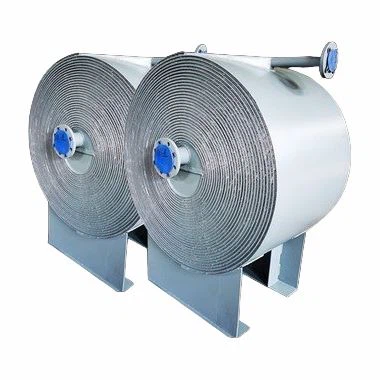
A non-detachable spiral plate heat exchanger is a crucial piece of equipment in various industrial processes, offering high efficiency and compact design. However, over time, it can accumulate fouling, which reduces its performance and efficiency. Therefore, proper cleaning methods are essential to maintain its optimal operation. As a supplier of non-detachable spiral plate heat exchangers, including 316L Stainless Steel Spiral Plate Heat Exchanger, Carbon Steel Spiral Plate Heat Exchanger, and Hastelloy Spiral Plate Heat Exchanger, I'd like to share some suitable cleaning methods.
Chemical Cleaning
Chemical cleaning is one of the most common methods for cleaning non-detachable spiral plate heat exchangers. It involves using chemical agents to dissolve or loosen the fouling on the heat exchanger surfaces.
Acid Cleaning
Acid cleaning is effective for removing inorganic deposits such as scale, rust, and metal oxides. Commonly used acids include hydrochloric acid, sulfuric acid, and citric acid. Hydrochloric acid is a strong acid that can quickly dissolve calcium carbonate and other carbonate scales. However, it is highly corrosive and requires careful handling. Sulfuric acid is also a strong acid, but it may form insoluble sulfates with some metal ions, which can cause further fouling. Citric acid is a mild organic acid that is less corrosive and is suitable for cleaning heat exchangers made of sensitive materials.
When performing acid cleaning, the following steps are typically followed:
- Pre - inspection: Check the heat exchanger for any leaks or damage before cleaning.
- Prepare the cleaning solution: Dilute the acid to the appropriate concentration according to the type and thickness of the fouling. For example, a 5 - 10% hydrochloric acid solution is commonly used for general scale removal.
- Circulation: Pump the cleaning solution through the heat exchanger for a certain period, usually several hours to a day, depending on the severity of the fouling. The circulation rate should be adjusted to ensure good contact between the solution and the fouling.
- Rinse: After the cleaning process is completed, rinse the heat exchanger thoroughly with water to remove any remaining acid and dissolved fouling.
Alkaline Cleaning
Alkaline cleaning is mainly used to remove organic fouling such as oil, grease, and biological slime. Common alkaline agents include sodium hydroxide, potassium hydroxide, and sodium carbonate. Alkaline cleaning agents can saponify oils and fats, making them easier to remove.
The steps for alkaline cleaning are similar to those of acid cleaning:

- Pre - inspection: As with acid cleaning, check the heat exchanger for any issues.
- Prepare the cleaning solution: Prepare an alkaline solution with an appropriate concentration. For example, a 2 - 5% sodium hydroxide solution can be used for removing heavy oil fouling.
- Circulation: Circulate the alkaline solution through the heat exchanger for a sufficient time to dissolve the organic fouling.
- Rinse: Rinse the heat exchanger with water to remove the alkaline solution and the dissolved fouling.
Mechanical Cleaning
Mechanical cleaning methods are used to physically remove the fouling from the heat exchanger surfaces.
High - Pressure Water Jet Cleaning
High - pressure water jet cleaning is a powerful mechanical cleaning method. It uses a high - pressure water pump to generate a high - velocity water jet that can dislodge the fouling from the heat exchanger surfaces. The pressure of the water jet can range from several hundred to several thousand pounds per square inch (psi).
The advantages of high - pressure water jet cleaning are that it is environmentally friendly, non - corrosive, and can effectively remove various types of fouling. However, it may not be suitable for very fine or deeply embedded fouling.
The process of high - pressure water jet cleaning includes:
- Inspection: Determine the location and thickness of the fouling.
- Set up the equipment: Connect the high - pressure water pump to a suitable nozzle and adjust the pressure and flow rate according to the requirements.
- Cleaning: Direct the water jet at the fouling on the heat exchanger surfaces. Move the nozzle evenly to ensure complete cleaning.
- Inspection after cleaning: Check if the fouling has been effectively removed.
Pigging
Pigging is a method that involves inserting a flexible cleaning device (pig) into the heat exchanger channels. The pig is pushed or pulled through the channels by a fluid, such as water or air. As the pig moves, it scrapes the fouling off the channel walls.
Pigging is suitable for removing soft and sticky fouling. However, it requires a proper design of the heat exchanger channels to ensure that the pig can pass through smoothly.
Ultrasonic Cleaning
Ultrasonic cleaning uses ultrasonic waves to generate high - frequency vibrations in a cleaning solution. These vibrations create microscopic bubbles in the solution, which collapse and generate shock waves. The shock waves can dislodge the fouling from the heat exchanger surfaces.
Ultrasonic cleaning is effective for removing fine particles and contaminants from small - diameter channels and complex geometries. It is a non - invasive method that does not damage the heat exchanger surfaces.
The steps for ultrasonic cleaning are as follows:
- Prepare the cleaning tank: Fill the tank with a suitable cleaning solution, such as water with a small amount of detergent.
- Place the heat exchanger: Immerse the heat exchanger in the cleaning tank.
- Turn on the ultrasonic generator: Set the appropriate frequency and power of the ultrasonic waves and let the cleaning process run for a certain time.
- Rinse: After cleaning, rinse the heat exchanger with clean water.
Considerations for Cleaning
When choosing a cleaning method for a non - detachable spiral plate heat exchanger, the following factors should be considered:
Material Compatibility
The cleaning agents used should be compatible with the material of the heat exchanger. For example, some metals may be corroded by certain acids or alkalis. Stainless steel heat exchangers are generally more resistant to corrosion than carbon steel heat exchangers, but they may still be damaged by strong acids under certain conditions.
Fouling Type
The type of fouling (inorganic, organic, or a combination) determines the most suitable cleaning method. Different cleaning agents are effective for different types of fouling, as mentioned above.
Environmental Impact
Some chemical cleaning agents can be harmful to the environment. Therefore, it is important to choose environmentally friendly cleaning agents whenever possible and properly dispose of the used cleaning solutions.
In conclusion, proper cleaning of non - detachable spiral plate heat exchangers is essential for maintaining their performance and extending their service life. By choosing the appropriate cleaning method based on the specific situation, you can ensure the efficient operation of your heat exchanger.
If you are interested in our non - detachable spiral plate heat exchangers or have any questions about cleaning and maintenance, please feel free to contact us for further discussion and potential procurement. We are committed to providing high - quality products and professional technical support.
References
- "Heat Exchanger Design Handbook", by Hewitt, G. F., Shires, G. L., & Bott, T. R.
- "Industrial Heat Exchangers: Theory and Practice", by Kakac, S., & Liu, H.