

The service life of a dismountable spiral plate heat exchanger is a critical concern for both suppliers and end - users. As a supplier of dismountable spiral plate heat exchangers, I have witnessed firsthand the factors that influence this crucial aspect. In this blog, I will delve into the various elements that determine the service life of these heat exchangers and offer insights on how to maximize their longevity.
Understanding the Basics of Dismountable Spiral Plate Heat Exchangers
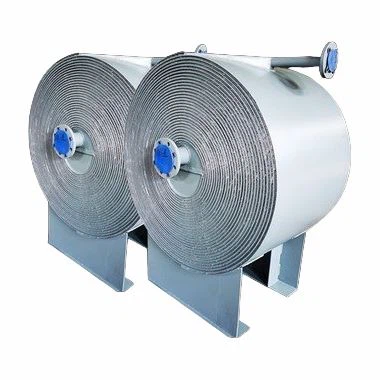
Before discussing the service life, it's essential to understand what a dismountable spiral plate heat exchanger is. It consists of two long metal plates that are coiled around a central core, creating two separate spiral channels. These channels allow two different fluids to flow in counter - current directions, facilitating efficient heat transfer. The dismountable feature means that the heat exchanger can be disassembled for cleaning, inspection, and maintenance, which is a significant advantage over non - detachable types. You can learn more about the Non Detachable Spiral Plate Heat Exchanger to understand the differences.
Factors Affecting the Service Life
Material Quality
The choice of materials plays a pivotal role in determining the service life of a dismountable spiral plate heat exchanger. Common materials include carbon steel, stainless steel, and titanium. Carbon steel is a cost - effective option and is widely used in many industrial applications. However, it is more susceptible to corrosion compared to stainless steel and titanium. If the heat exchanger is used in a corrosive environment, a Carbon Steel Spiral Plate Heat Exchanger may have a shorter service life. Stainless steel offers better corrosion resistance and is suitable for a wider range of applications, including those involving aggressive chemicals. Titanium is the most corrosion - resistant but also the most expensive.
Operating Conditions
The operating conditions of the heat exchanger have a significant impact on its service life. High temperatures, high pressures, and the nature of the fluids being processed can all affect the integrity of the heat exchanger. For example, if the heat exchanger is used to process fluids with high levels of suspended solids, it can lead to fouling. Fouling occurs when deposits build up on the heat transfer surfaces, reducing the efficiency of the heat exchanger and potentially causing damage over time. Similarly, extreme temperatures and pressures can cause thermal stress and mechanical fatigue, leading to cracks and leaks.
Maintenance and Cleaning
Regular maintenance and cleaning are essential for extending the service life of a dismountable spiral plate heat exchanger. The dismountable design allows for easy access to the internal components, making it possible to remove fouling and inspect for any signs of damage. Failure to perform regular maintenance can lead to a rapid decline in performance and a shorter service life. Cleaning should be carried out using appropriate methods and chemicals to avoid damaging the heat exchanger.
Installation Quality
Proper installation is crucial for the long - term performance of a dismountable spiral plate heat exchanger. Incorrect installation can lead to misalignment, uneven stress distribution, and leaks. It is important to follow the manufacturer's installation guidelines carefully and ensure that the heat exchanger is installed in a suitable location with proper support and ventilation. A Vertical Spiral Plate Heat Exchanger may have specific installation requirements compared to a horizontal one.
Typical Service Life Expectations
Under normal operating conditions and with proper maintenance, a dismountable spiral plate heat exchanger can have a service life of 10 - 20 years. However, this can vary significantly depending on the factors mentioned above. In a well - maintained industrial setting with mild operating conditions, the heat exchanger may last closer to 20 years. On the other hand, in a harsh environment with aggressive fluids and high levels of fouling, the service life may be closer to 10 years or even less.

Strategies to Extend the Service Life
Material Selection
As mentioned earlier, choosing the right material for the specific application is crucial. Consider the nature of the fluids, the operating temperature and pressure, and the potential for corrosion when selecting the material for the heat exchanger. If possible, opt for a more corrosion - resistant material, even if it comes at a higher cost, as it can significantly extend the service life.
Monitoring and Control
Implement a monitoring system to keep track of the operating conditions of the heat exchanger. This can include monitoring temperature, pressure, flow rate, and heat transfer efficiency. By detecting any changes in these parameters early, it is possible to take corrective action before significant damage occurs. Additionally, controlling the quality of the fluids being processed can help reduce fouling and corrosion.
Regular Maintenance Schedule
Establish a regular maintenance schedule that includes cleaning, inspection, and replacement of worn - out components. This should be based on the manufacturer's recommendations and the specific operating conditions of the heat exchanger. Regular maintenance can help identify and address potential issues before they become major problems, extending the service life of the heat exchanger.
Training and Education
Ensure that the personnel responsible for operating and maintaining the heat exchanger are properly trained. They should be familiar with the operating principles, maintenance procedures, and safety precautions of the heat exchanger. Proper training can help prevent improper operation and maintenance, which can lead to a shorter service life.
Conclusion
The service life of a dismountable spiral plate heat exchanger is influenced by a variety of factors, including material quality, operating conditions, maintenance, and installation. By understanding these factors and implementing appropriate strategies, it is possible to extend the service life of the heat exchanger and ensure its long - term performance. As a supplier, I am committed to providing high - quality dismountable spiral plate heat exchangers and offering support to our customers in maximizing the service life of their equipment. If you are interested in purchasing a dismountable spiral plate heat exchanger or have any questions about its service life and maintenance, please feel free to contact us for further discussion and procurement negotiation.
References
- Incropera, F. P., DeWitt, D. P., Bergman, T. L., & Lavine, A. S. (2007). Fundamentals of Heat and Mass Transfer. Wiley.
- Green, D. W., & Perry, R. H. (2007). Perry's Chemical Engineers' Handbook. McGraw - Hill.
- ASME Boiler and Pressure Vessel Code, Section VIII, Division 1. (2019). American Society of Mechanical Engineers.