

Hey there! As a supplier of Hastelloy Spiral Plate Heat Exchangers, I often get asked if these bad boys can be used in the beverage industry. Well, let's dive right in and find out!
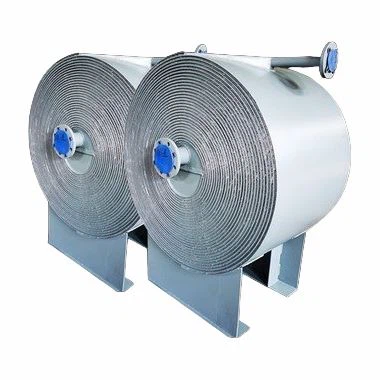
First off, let's talk a bit about what a Hastelloy Spiral Plate Heat Exchanger is. It's a type of heat exchanger that uses a spiral design to transfer heat between two fluids. The spiral shape provides a large surface area for heat transfer, which makes it really efficient. And Hastelloy, the material it's made of, is a super - alloy known for its excellent corrosion resistance, especially in harsh chemical environments.
Now, the beverage industry has some pretty strict requirements. Beverages, whether they're juices, soft drinks, or alcoholic beverages, need to be processed under conditions that ensure safety, quality, and taste. One of the key aspects is the temperature control during various stages of production, like pasteurization, cooling after fermentation, and pre - heating before filling.
Corrosion Resistance
When it comes to the beverage industry, corrosion is a major concern. Beverages can have different pH levels, and some may contain acids, salts, or other chemicals that can eat away at the heat exchanger material over time. That's where Hastelloy shines. Its high nickel and molybdenum content gives it outstanding resistance to a wide range of corrosive substances. For example, in the production of citrus juices, which are acidic, a regular steel heat exchanger would quickly corrode. But a Hastelloy Spiral Plate Heat Exchanger can withstand the acidic environment, ensuring a long service life and preventing any contamination of the beverage.
Hygiene
Hygiene is non - negotiable in the beverage industry. Any heat exchanger used must be easy to clean and sanitize to prevent the growth of bacteria and other microorganisms. The smooth surface of the Hastelloy Spiral Plate Heat Exchanger makes it relatively easy to clean. There are no nooks and crannies where debris can accumulate, which is a big plus. Also, since it resists corrosion, there's less chance of rust or other contaminants flaking off into the beverage. This helps maintain the high - quality standards required for safe and delicious drinks.
Heat Transfer Efficiency
In beverage production, time is money. The faster you can heat or cool the beverage, the more efficient your production process will be. The spiral design of the Hastelloy Spiral Plate Heat Exchanger offers excellent heat transfer efficiency. The counter - current flow of the two fluids in the spiral channels allows for a more effective exchange of heat. This means that you can achieve the desired temperature changes in a shorter amount of time compared to some other types of heat exchangers. For instance, during the pasteurization process, where the beverage needs to be quickly heated to a specific temperature and then cooled, a Hastelloy Spiral Plate Heat Exchanger can get the job done efficiently.
Comparison with Other Heat Exchangers
Let's compare the Hastelloy Spiral Plate Heat Exchanger with some other common types used in the industry.
- Dismountable Spiral Plate Heat Exchanger: You can check out more about Dismountable Spiral Plate Heat Exchanger. These are great for easy maintenance as they can be taken apart for cleaning. However, in terms of corrosion resistance, Hastelloy has an edge, especially when dealing with more aggressive beverages.
- Carbon Steel Spiral Plate Heat Exchanger: Carbon Steel Spiral Plate Heat Exchanger is a more budget - friendly option. But carbon steel is prone to corrosion, especially in acidic or high - moisture environments. So, for long - term use in the beverage industry, a Hastelloy heat exchanger is a better choice.
- 304 Stainless Steel Spiral Plate Heat Exchanger: 304 Stainless Steel Spiral Plate Heat Exchanger is widely used due to its good corrosion resistance. But Hastelloy offers even better performance in more extreme conditions. For example, in the production of certain fermented beverages with high salt content, Hastelloy will hold up better.
Potential Drawbacks
Of course, no product is perfect. One of the main drawbacks of Hastelloy Spiral Plate Heat Exchangers is the cost. Hastelloy is an expensive material, and the manufacturing process of the spiral plate design also adds to the price. But when you consider the long - term benefits, like reduced maintenance costs and longer service life, it can be a worthwhile investment.

Another thing to keep in mind is that the design of the heat exchanger needs to be carefully tailored to the specific requirements of the beverage production process. If the flow rates, temperature ranges, or other parameters are not properly considered during the design phase, it may not perform as efficiently as expected.
Conclusion
So, can a Hastelloy Spiral Plate Heat Exchanger be used in the beverage industry? Absolutely! Its corrosion resistance, hygiene properties, and heat transfer efficiency make it a great fit for many applications in the beverage production process. While it may come with a higher upfront cost, the long - term benefits in terms of product quality, safety, and production efficiency make it a compelling option.
If you're in the beverage industry and looking for a reliable heat exchanger for your production line, I'd love to have a chat with you. We can discuss your specific needs and see how our Hastelloy Spiral Plate Heat Exchangers can help optimize your process. Don't hesitate to reach out for a detailed discussion and potential procurement.
References
- "Heat Exchangers: Selection, Rating, and Thermal Design" by Sadik Kakac and Hongtan Liu
- "Beverage Processing Technology" by various industry experts in food and beverage engineering.