

Hey there! As a supplier of Hastelloy Spiral Plate Heat Exchangers, I've seen my fair share of issues, and vibration damage is one that can really mess things up. In this blog, I'm gonna share some measures to prevent vibration damage in these heat exchangers.
Understanding the Problem
First off, let's talk about why vibration is such a big deal. Vibration in a Hastelloy Spiral Plate Heat Exchanger can lead to a whole bunch of problems. It can cause fatigue failure of the plates, loosen connections, and even lead to leaks. Over time, this can reduce the efficiency of the heat exchanger and shorten its lifespan.
There are several factors that can cause vibration in these heat exchangers. One common cause is fluid flow. When the fluid flows through the heat exchanger at high velocities or with uneven distribution, it can create pressure fluctuations that lead to vibration. Another cause can be external factors like nearby machinery or equipment that generate vibrations.
Design Considerations
When it comes to preventing vibration damage, the design of the heat exchanger plays a crucial role. Here are some design measures that can help:
Plate Thickness and Material Selection
Using thicker plates can increase the stiffness of the heat exchanger and reduce its susceptibility to vibration. Hastelloy is already a great material known for its high strength and corrosion resistance, but choosing the right grade and thickness is important. A thicker plate can better withstand the forces generated by vibration without deforming or cracking.
Support Structures
Proper support structures are essential to keep the heat exchanger stable and reduce vibration. The heat exchanger should be mounted on a sturdy base or frame that can absorb and dampen vibrations. Additionally, support brackets or braces can be used to reinforce the plates and prevent them from vibrating excessively.
Flow Distribution
Ensuring even flow distribution is key to reducing vibration caused by fluid flow. This can be achieved through the design of the inlet and outlet ports. For example, using multiple inlet ports or baffles can help distribute the fluid more evenly across the plates, reducing pressure fluctuations and minimizing vibration.
Operational Measures
Once the heat exchanger is installed and in operation, there are also some measures that can be taken to prevent vibration damage:
Flow Rate Control
Controlling the flow rate of the fluid is important to avoid high - velocity flow that can cause vibration. Operators should monitor the flow rate regularly and adjust it as needed to keep it within the recommended range. This can be done using flow control valves or pumps with variable speed drives.
Maintenance and Inspection
Regular maintenance and inspection are crucial to detect and address any potential vibration issues early on. During inspections, check for signs of loose connections, worn - out parts, or damage to the plates. Tighten any loose bolts or nuts, replace worn - out gaskets or seals, and repair any damaged plates.
Isolation from External Vibrations
If the heat exchanger is located near other machinery or equipment that generate vibrations, it's important to isolate it. This can be done using vibration isolation pads or mounts. These pads or mounts can absorb and dampen the vibrations from the external sources, preventing them from being transferred to the heat exchanger.
Monitoring and Detection
Implementing a monitoring system can help detect vibration early and take corrective actions before it causes significant damage. Here are some monitoring methods:
Vibration Sensors
Install vibration sensors on the heat exchanger to measure the level of vibration. These sensors can provide real - time data on the amplitude and frequency of the vibrations. If the vibration levels exceed a certain threshold, an alarm can be triggered, alerting the operators to take action.
Acoustic Monitoring
Acoustic monitoring can also be used to detect vibration. By listening to the sound emitted by the heat exchanger, operators can identify any abnormal noises that may indicate vibration problems. Specialized acoustic sensors can be used to analyze the sound patterns and detect potential issues.
Comparison with Other Types of Heat Exchangers
It's interesting to compare the measures to prevent vibration damage in Hastelloy Spiral Plate Heat Exchangers with other types of heat exchangers. For example, Carbon Steel Spiral Plate Heat Exchanger may have different considerations due to the difference in material properties. Carbon steel is generally less corrosion - resistant than Hastelloy but may be more prone to rusting, which can affect its structural integrity and increase the risk of vibration damage.
Dismountable Spiral Plate Heat Exchanger offers the advantage of easier maintenance, which can be beneficial in preventing vibration damage. Since the plates can be easily removed and inspected, any signs of wear or damage can be detected and addressed more quickly.
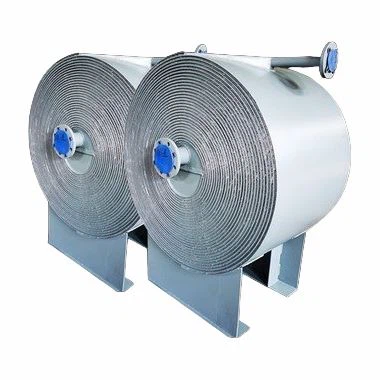
Horizontal Spiral Plate Heat Exchanger may have different flow characteristics compared to vertical ones. The horizontal orientation can affect the distribution of the fluid and the way vibrations are generated. Therefore, the design and operational measures for preventing vibration may need to be adjusted accordingly.

Conclusion
Preventing vibration damage in a Hastelloy Spiral Plate Heat Exchanger requires a combination of design, operational, and monitoring measures. By considering factors like plate thickness, support structures, flow distribution, and implementing proper monitoring systems, we can significantly reduce the risk of vibration - related problems and ensure the long - term performance and reliability of the heat exchanger.
If you're in the market for a high - quality Hastelloy Spiral Plate Heat Exchanger or have any questions about preventing vibration damage, feel free to reach out. We're here to help you make the right choice and ensure your heat exchanger operates smoothly.
References
- "Heat Exchanger Design Handbook", by J. Taborek
- "Vibration Analysis and Control in Industrial Equipment", by D. E. Newland