

Ensuring the stability of a Through Flow Spiral Plate Heat Exchanger during operation is crucial for maintaining efficient heat transfer processes and preventing costly downtime. As a supplier of Through Flow Spiral Plate Heat Exchanger, I have witnessed firsthand the importance of proper maintenance and operation to achieve optimal performance. In this blog post, I will share some key strategies and best practices to help you ensure the stability of your through flow spiral plate heat exchanger.
Understanding the Through Flow Spiral Plate Heat Exchanger
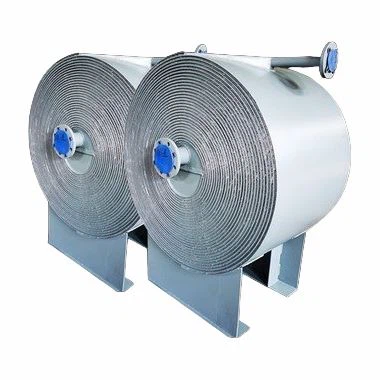
Before delving into the stability aspects, it's essential to understand the basic working principle of a through flow spiral plate heat exchanger. This type of heat exchanger consists of two long, flat plates that are coiled into a spiral shape, creating two separate fluid channels. One fluid flows through the inner channel, while the other flows through the outer channel. The spiral design allows for a large heat transfer area in a compact space, resulting in efficient heat exchange between the two fluids.
Selecting the Right Material
The choice of material for your through flow spiral plate heat exchanger is critical for its stability and longevity. Different materials have varying levels of corrosion resistance, thermal conductivity, and mechanical strength. For most applications, Carbon Steel Spiral Plate Heat Exchanger are a popular choice due to their affordability and good mechanical properties. However, if the process fluid is corrosive, a 304 Stainless Steel Spiral Plate Heat Exchanger may be more suitable. Stainless steel offers excellent corrosion resistance, making it ideal for handling aggressive chemicals and high-temperature fluids.
Proper Installation
Proper installation is the foundation for ensuring the stability of a through flow spiral plate heat exchanger. Here are some key installation considerations:
- Level Installation: The heat exchanger should be installed on a level surface to prevent uneven stress distribution and ensure proper fluid flow.
- Pipe Connection: Make sure all pipe connections are tight and leak-free. Improper pipe connections can lead to fluid leakage, which can affect the heat exchanger's performance and stability.
- Expansion Joints: Install expansion joints in the piping system to accommodate thermal expansion and contraction. This helps prevent stress on the heat exchanger and its connections.
Regular Maintenance
Regular maintenance is essential for keeping your through flow spiral plate heat exchanger in good working condition. Here are some maintenance tasks that should be performed regularly:
- Cleaning: Over time, dirt, scale, and other contaminants can accumulate on the heat exchanger surfaces, reducing its heat transfer efficiency. Regular cleaning using appropriate cleaning agents can help remove these deposits and restore the heat exchanger's performance.
- Inspection: Conduct regular visual inspections of the heat exchanger to check for signs of corrosion, leaks, or mechanical damage. Any issues should be addressed promptly to prevent further damage.
- Pressure Testing: Periodically perform pressure tests on the heat exchanger to ensure its integrity. This helps detect any potential leaks or weaknesses in the system.
Monitoring and Control
Monitoring and controlling the operating parameters of the through flow spiral plate heat exchanger is crucial for maintaining its stability. Here are some key parameters that should be monitored:

- Temperature: Monitor the inlet and outlet temperatures of both fluids to ensure that the heat exchanger is operating within the desired temperature range. Deviations from the normal temperature range can indicate a problem with the heat exchanger or the process.
- Pressure: Monitor the inlet and outlet pressures of both fluids to ensure that the pressure drop across the heat exchanger is within the acceptable range. Excessive pressure drop can indicate a blockage or a problem with the fluid flow.
- Flow Rate: Monitor the flow rates of both fluids to ensure that they are consistent and within the design specifications. Inconsistent flow rates can affect the heat exchanger's performance and stability.
Training and Operator Awareness
Proper training of operators is essential for ensuring the stability of the through flow spiral plate heat exchanger. Operators should be familiar with the heat exchanger's operating principles, maintenance requirements, and safety procedures. They should also be trained to recognize and respond to any abnormal operating conditions promptly.
Troubleshooting
Despite taking all the necessary precautions, problems may still occur with the through flow spiral plate heat exchanger. Here are some common problems and their possible solutions:
- Low Heat Transfer Efficiency: This can be caused by fouling, scaling, or a problem with the fluid flow. Cleaning the heat exchanger and checking the fluid flow rates can help resolve this issue.
- Leakage: Leakage can occur due to loose connections, corrosion, or mechanical damage. Tightening the connections, repairing any damaged parts, or replacing the corroded components can help stop the leakage.
- High Pressure Drop: This can be caused by a blockage in the fluid channels or a problem with the fluid flow. Cleaning the heat exchanger and checking the fluid flow rates can help reduce the pressure drop.
Conclusion
Ensuring the stability of a through flow spiral plate heat exchanger during operation requires a combination of proper selection, installation, maintenance, monitoring, and operator training. By following the strategies and best practices outlined in this blog post, you can help ensure that your through flow spiral plate heat exchanger operates efficiently and reliably for many years to come.
If you are interested in purchasing a through flow spiral plate heat exchanger or need further assistance with its operation and maintenance, please feel free to contact us for a detailed discussion. We are committed to providing high-quality heat exchangers and excellent customer service.
References
- Incropera, F. P., & DeWitt, D. P. (2002). Fundamentals of heat and mass transfer. John Wiley & Sons.
- Kern, D. Q. (1950). Process heat transfer. McGraw-Hill.
- Shah, R. K., & Sekulic, D. P. (2003). Fundamentals of heat exchanger design. John Wiley & Sons.