

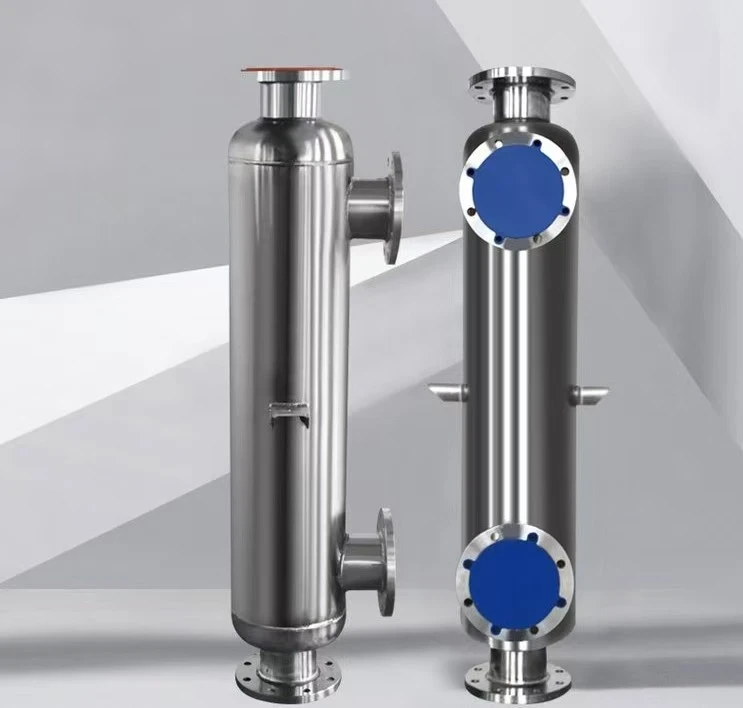
A spiral-wound tube heat exchanger is a highly efficient piece of industrial heat-exchange equipment. Featuring a multi-layered, helically wound tube bundle and a counter-current heat-exchange flow pattern, it offers high thermal efficiency, a compact design, and inherent compensation for thermal expansion. It is widely used in sectors such as petrochemicals, refrigeration, natural gas liquefaction, and new energy. To fully leverage the equipment's performance, prevent issues like tube bundle deformation or leakage, and ensure long-term, stable operation, it is essential to adhere to the following guidelines during operation, routine inspection, cleaning, and maintenance during shutdowns.
Operational Phase
During equipment startup and operation, it is strictly prohibited to exceed the specified limits for temperature, pressure, or flow rate. Although the equipment features inherent thermal expansion compensation, sudden changes in temperature or pressure can still generate significant thermal stress. Therefore, temperature fluctuations should be gradual, and valves should be operated smoothly to prevent water hammer, which could damage the tube bundle. Furthermore, flow rates must not significantly exceed design values, as this can induce fluid-induced vibrations, leading to fatigue cracking in the heat exchanger tubes. It is recommended to install a filtration device upstream of the process fluid piping to capture solid particles, thereby reducing erosion and wear on the tube walls and preventing blockages within the spiral flow channels.
During operation, personnel should regularly record inlet and outlet temperatures, pressures, and pressure differentials. An abnormal increase in pressure differential, accompanied by a noticeable decline in heat exchange efficiency, indicates scaling within the tube bundle and necessitates prompt maintenance. Additionally, operators should monitor the shell for vibrations; any abnormal vibration must be investigated immediately to prevent fatigue damage at the tube bundle connection points.
Maintenance Phase
During equipment inspection, repair, and cleaning, special care must be taken to protect the coiled tube bundles. As the thin-walled spiral heat exchanger tubes are prone to deformation, they must not be struck with hard objects. Furthermore, high-pressure water should not be sprayed directly onto the tube bundles; chemical circulation cleaning is the preferred method.
Maintenance and disassembly must only be performed after the equipment has been fully depressurized; opening the equipment while it is under pressure is strictly prohibited. Upon completion of maintenance, conduct a thorough inspection to ensure that no tools or debris remain inside the shell before reassembling the unit, thereby preventing foreign objects from obstructing the spiral flow channels. It is recommended to replace the sealing gaskets whenever a flange end cover is removed to ensure a reliable seal. Additionally, safety accessories-such as safety valves and pressure gauges-should be calibrated periodically to guarantee that all safety protection devices remain responsive and effective.
Shutdown Phase
For short-term shutdowns, the heating medium should be shut off first, followed by the cooling medium. In low-temperature environments, ensure that all residual fluid inside the equipment is drained and take appropriate anti-freeze measures to prevent the medium from freezing and causing the tube bundle to rupture due to expansion. For long-term decommissioning, thoroughly drain the media from both the tube side and the shell side, then ensure the equipment is dried or purged with nitrogen to prevent internal corrosion. If a leak occurs in an individual heat exchanger tube during operation, the tube may be plugged; however, if a significant proportion of the tube bundle is damaged, the equipment should be evaluated for complete replacement-continued operation with such defects is not permitted.
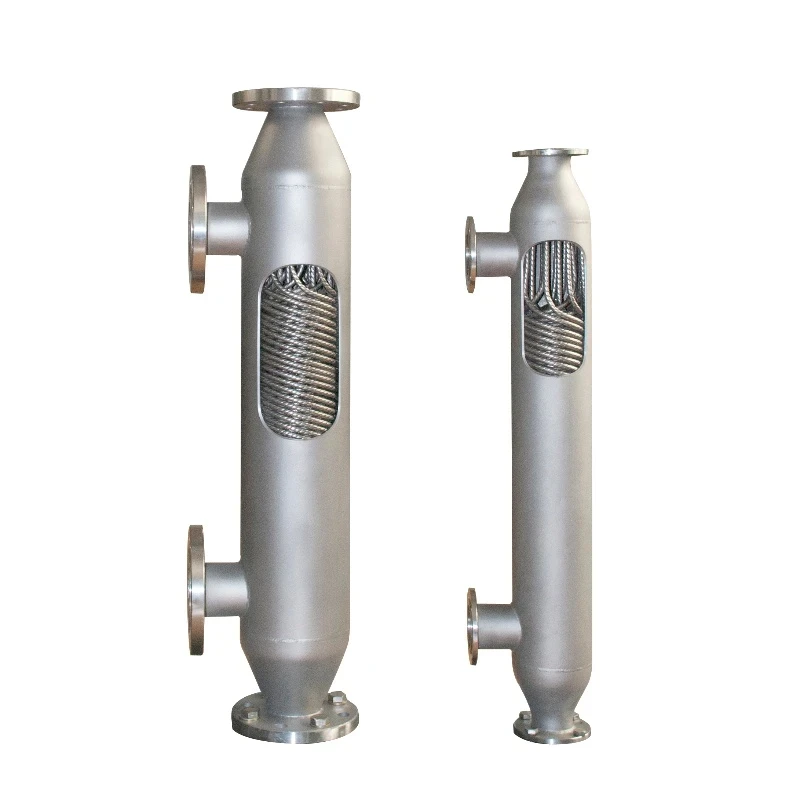
Furthermore, it is essential to consider the corrosivity of the process media and ensure that the materials specified in the equipment design are strictly matched to these conditions. Should the composition of the media change-resulting in a level of corrosivity that exceeds the material's tolerance-the process must be adjusted promptly to prevent corrosion-induced leaks in the tube bundles. Adhering strictly to all operational requirements not only maximizes the high-efficiency heat transfer capabilities of the spiral-wound tube heat exchanger but also reduces the likelihood of malfunctions and extends the equipment's service life.


